Biography
- Home
- Biography
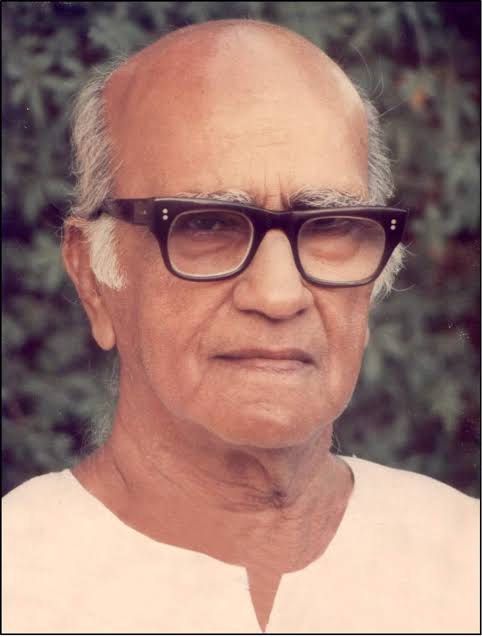
In the history of post-partition Sindhi literature, few figures loom as large as Assandas Jethanand Uttamchandani, popularly known as A. J. Uttam. A prolific writer, a relentless activist, and a visionary scholar, Uttam earned the moniker "the walking, talking, and living encyclopedia of Sindhi literature." His life was a testament to the power of the written word in preserving a culture that had been uprooted by the 1947 Partition of India.
Born on December 16, 1923, in Hyderabad, Sindh (now Pakistan), A. J. Uttam’s literary and political sensibilities were forged in India’s freedom struggle. Before matriculating in 1942, he organized the Hyderabad Student Union as General Secretary.
In 1946, while editing the college journal Phuleli, Uttam published the landmark anti-dowry story "Taraki-a je raha te" (On the Path of Progress).
This story caught the attention of Sugni Narwani (later Sundri Uttamchandani). They married on November 14, 1947, creating one of Sindhi literature’s most dynamic creative power couples.
Displacement after Partition galvanized Uttam. In 1949, he co-founded the Sindhi Sahit Mandal in Bombay, serving as General Secretary and Vice President.
His 16-year crusade reached fruition in 1967 when Sindhi was officially included in the Eighth Schedule of the Indian Constitution.
Uttam’s literary epicenter was the monthly magazine "Naeen Duniya" (New World). Joining as co-editor in 1950 and becoming sole publisher in 1957, he transformed it into a springboard for progressive literature.
As a writer, Uttam was known for his uncompromising honesty, rejecting sugar-coated metaphors of the past to portray the raw realities of the common man.
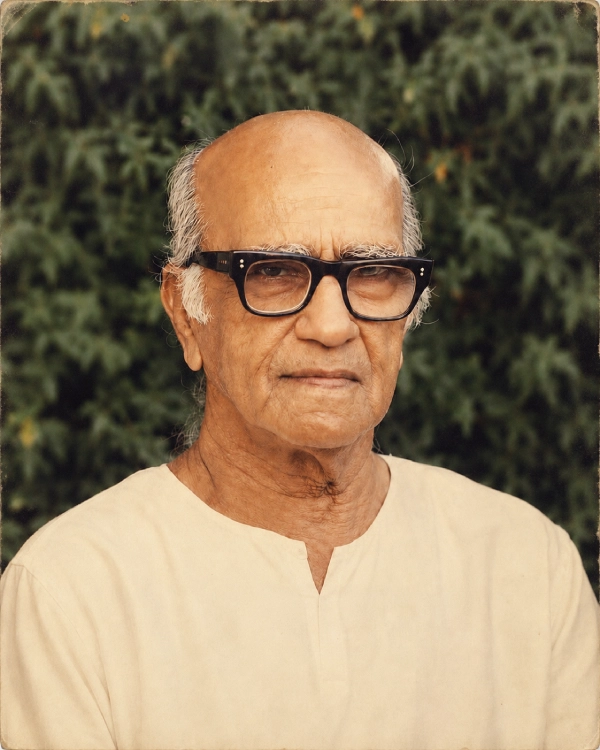
"As a writer, Uttam was known for his 'unalloyed truth.' He rejected the sugar-coated metaphors of the past in favor of a raw, realistic style that reflected the struggles of the common man."
Anthologies that carried his realist voice to readers across Sindh and India.
Close literary studies of the contemporaries who shaped his craft.
His stories were translated and published in Russia, Germany, and throughout Sindh, earning him international acclaim.
In 1960, he famously resigned from a prestigious government job in Mumbai rather than accept a transfer to Gujarat, simply because he refused to move away from the epicenter of Sindhi literary activities.
Today, his contributions are honored through the Uttam Sahit Award, established by his daughters Asha and Bina.